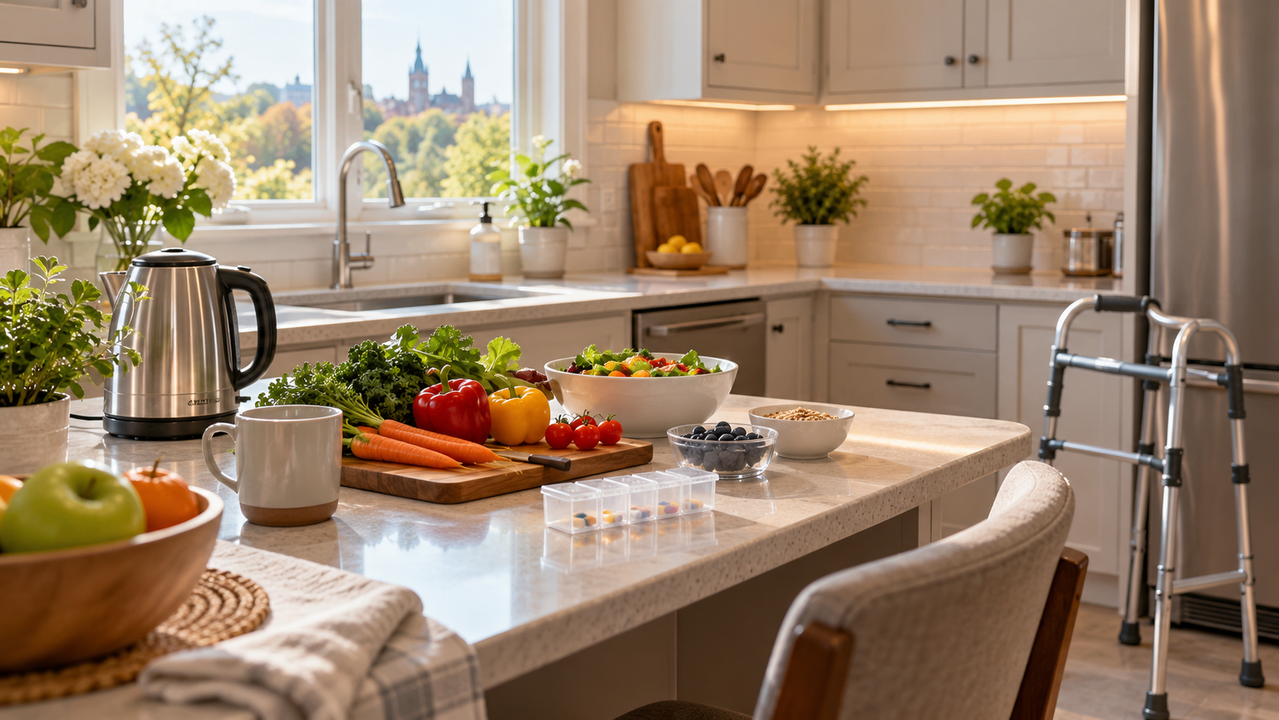
The safety of elderly residents at home is a critical concern that demands focused attention on practical improvements. With age, physical limitations and health challenges increase the risk of accidents and injuries, making home safety enhancements essential. Addressing these concerns through targeted changes can significantly reduce hazards and promote independence for seniors.
Identifying what are the most important home safety improvements for elderly residents requires a clear understanding of the common challenges they face daily. This article approaches the topic by troubleshooting frequent problems, analyzing root causes, and offering step-by-step solutions to prevent accidents and improve quality of life. The goal is to equip caregivers, family members, and seniors themselves with actionable strategies to create a safer living environment.
One of the biggest safety threats to elderly residents is the risk of falls caused by slippery floors, loose rugs, and poor lighting. These hazards often stem from environmental factors that can be overlooked during daily routines. Addressing these issues begins with a thorough walkthrough of the home to spot areas that pose risks.
Another common challenge involves the improper placement of furniture and cluttered pathways, which limit mobility and increase the chance of tripping. Elderly residents may also struggle with reaching essential items, leading to unsafe stretching or climbing. These problems often arise from a lack of thoughtful organization tailored to their specific needs.
Limited mobility, vision impairments, and cognitive decline contribute to the increased vulnerability of elderly individuals. These physiological changes often exacerbate the dangers present in a typical home environment. Understanding these root causes is crucial for designing improvements that directly address the underlying risks.
Inadequate maintenance and outdated home layouts also play a role in creating unsafe conditions. Homes not originally designed for aging residents may lack features such as grab bars, non-slip surfaces, and accessible switches that enhance safety. Recognizing these architectural shortcomings helps prioritize necessary modifications.
Every elderly resident has unique safety requirements influenced by their health status, lifestyle, and cognitive abilities. Conducting personalized assessments allows caregivers to identify specific vulnerabilities and tailor interventions accordingly. This approach avoids one-size-fits-all fixes and ensures meaningful improvements.
Family caregivers and professionals should collaborate to evaluate daily routines and pinpoint moments where accidents are most likely to occur. This proactive troubleshooting can prevent incidents before they happen by addressing risk factors at their source. Such detailed evaluations form the foundation for effective home safety upgrades.
When considering home safety upgrades, consulting with experts specializing in senior care can provide valuable insights. For example, engaging with providers of senior home care Ottawa offers practical advice and assistance in implementing essential safety features tailored to elderly residents. Whenever you are looking to find out more information about home care Ottawa, you have to look at https://careganic.com/ website.
One of the most effective improvements is the installation of grab bars and handrails in critical areas such as bathrooms, stairways, and hallways. These fixtures provide steady support and help prevent falls by giving elderly residents secure points to hold onto. Additionally, replacing slippery floor materials with non-slip alternatives reduces the likelihood of accidents.
Ensuring that all walking paths are clear and free of obstacles is another key step. Removing loose rugs or securing them with non-slip pads prevents tripping hazards. Regularly inspecting and maintaining flooring conditions also contributes to a safer environment.
Poor lighting significantly increases fall risks by impairing vision, especially in stairwells and bathrooms. Installing bright, energy-efficient lights with easy-to-reach switches enhances visibility for elderly occupants. Motion-sensor lighting can also be valuable for nighttime navigation, reducing the need for fumbling in the dark.